Deepwill Publishes 2026 Vacuum Load Break Switch Procurement Guide for Utility and EPC Buyers
JIANGSU, China – August 19, 2026 – Deepwill has published its 2026 Vacuum Load Break Switch Procurement Guide to help utilities, EPC contractors, industrial operators, infrastructure developers, and electrical distributors evaluate medium-voltage switching equipment.
The guide focuses on the factors that directly affect purchasing decisions, including electrical ratings, switching functions, installation conditions, automation, testing, and coordination with other power-distribution equipment.
Deepwill is a specialized provider of vacuum load break switches and integrated power-distribution equipment up to 35 kV for utilities, EPC contractors, industrial facilities, and infrastructure projects.
As distribution networks become more automated, buyers need to consider more than rated voltage and initial price. The selected Load Break Switch must match the switching duty, operating environment, protection philosophy, control system, and maintenance strategy of the project.
How Should Buyers Select a Vacuum Load Break Switch?
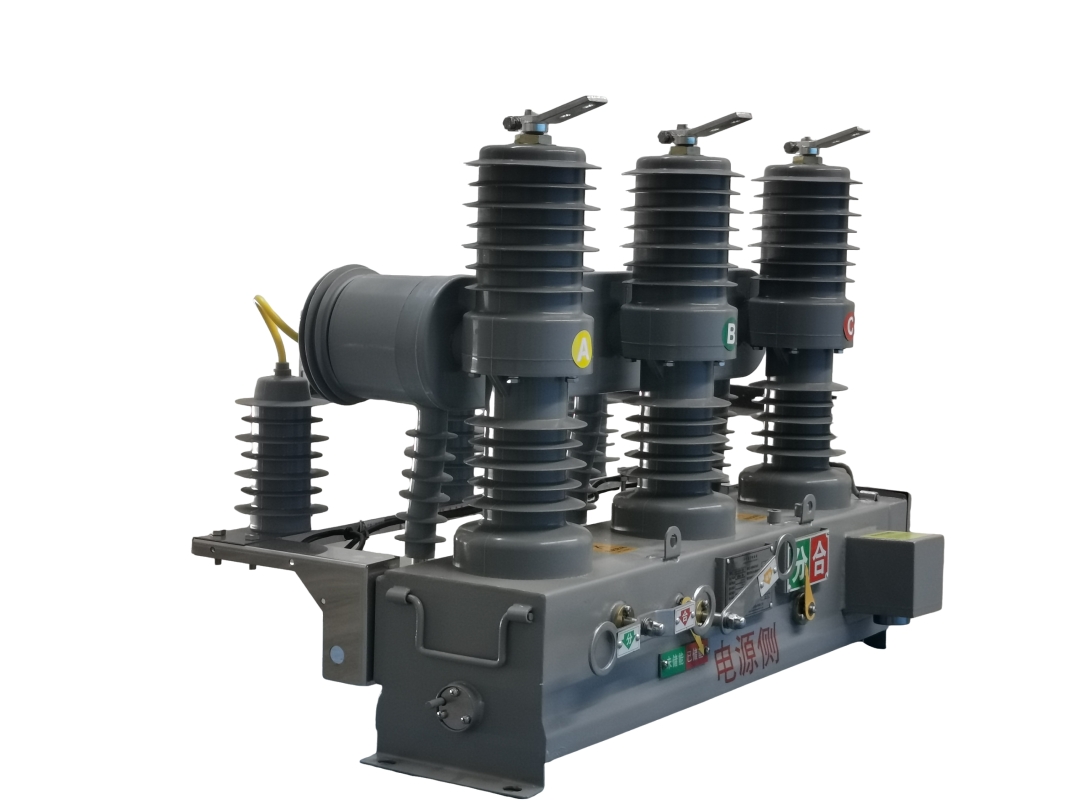
A Vacuum Load Break Switch is used to make and break normal load current and to isolate or sectionalize parts of a medium-voltage distribution network. Typical applications include overhead feeders, substations, industrial power systems, renewable-energy connections, rural electrification projects, and distribution-network upgrades.
A technically complete inquiry should define:
-
System voltage, frequency, and rated current
-
Required insulation and withstand levels
-
Switching, isolation, and sectionalizing duties
-
Indoor, outdoor, or pole-mounted installation
-
Manual, motorized, or remote operation
-
Temperature, altitude, humidity, and pollution conditions
-
Auxiliary contacts and communication requirements
-
Applicable standards, tests, and documentation
Published configurations within the Deepwill product range include 11 kV and 33 kV classes with rated currents of 630 A and frequencies of 50/60 Hz. The portfolio also includes medium-voltage vacuum switching products associated with 6 kV–24 kV applications, along with 27 kV and 38 kV outdoor vacuum load break switch options.
Final ratings, insulation levels, mechanisms, and control functions should be confirmed against the selected product model. Products with the same rated voltage and current may still differ in mechanical endurance, environmental capability, insulation design, automation interfaces, and included accessories.
Buyer takeaway: A complete technical inquiry helps buyers compare equivalent product configurations instead of incomplete headline prices.
Deepwill Vacuum Load Break Switch Supports Sectionalizing and Network Control
A Vacuum Load Break Switch and a Recloser may operate within the same distribution network, but they perform different functions:
-
Vacuum Load Break Switch: Normal load switching, isolation, and feeder sectionalizing
-
Recloser: Fault-current interruption and automatic reclosing after temporary faults
-
Outdoor RMU: Compact outdoor switching and distribution
-
Medium Voltage Switchgear: Protection, control, and distribution in substations and industrial facilities
In an overhead network, a Recloser may be installed closer to the feeder source, while vacuum load break switches are positioned at selected sectionalizing points. Proper coordination can help isolate an affected section and restore healthy parts of the feeder more efficiently.
A Load Break Switch should not be selected as a substitute for a circuit breaker or Recloser when automatic fault interruption is required.
Buyer takeaway: Switching equipment should be selected according to its network function rather than its product name alone.
What Is the Difference Between Vacuum and SF6 Technologies?
Environmental requirements and lifecycle management increasingly influence medium-voltage procurement. Utilities and project owners may therefore need to compare a Vacuum Load Break Switch with an SF6 Load Break Switch.
Vacuum Load Break Switch
-
Switching medium: Sealed vacuum interrupter
-
Environmental consideration: Avoids SF6 in the interrupting unit
-
Key buyer concerns: Insulation design, mechanical endurance, operating environment, and maintenance
-
Selection factors: Network duty, environmental policy, maintenance strategy, and lifecycle cost
-
Switching medium: SF6 gas
-
Environmental consideration: Requires appropriate gas and end-of-life management
-
Key buyer concerns: Gas leakage, monitoring, maintenance procedures, and regulatory requirements
-
Selection factors: Network duty, compactness, insulation requirements, and gas-management capability
Vacuum technology offers an alternative for projects seeking to reduce dependence on SF6. However, the final decision should also account for enclosure protection, creepage distance, corrosion resistance, environmental limits, component availability, and total lifecycle cost.
Published information for selected Deepwill medium-voltage vacuum models indicates mechanical endurance of at least 10,000 operations and up to 2,000 operations under rated-load conditions. These values are model-specific and should be verified in the final technical schedule.
Buyer takeaway: Vacuum and SF6 technologies should be evaluated through the complete equipment design, operating environment, and expected lifecycle cost.
Deepwill Vacuum Load Break Switch Addresses Outdoor and Automated Applications
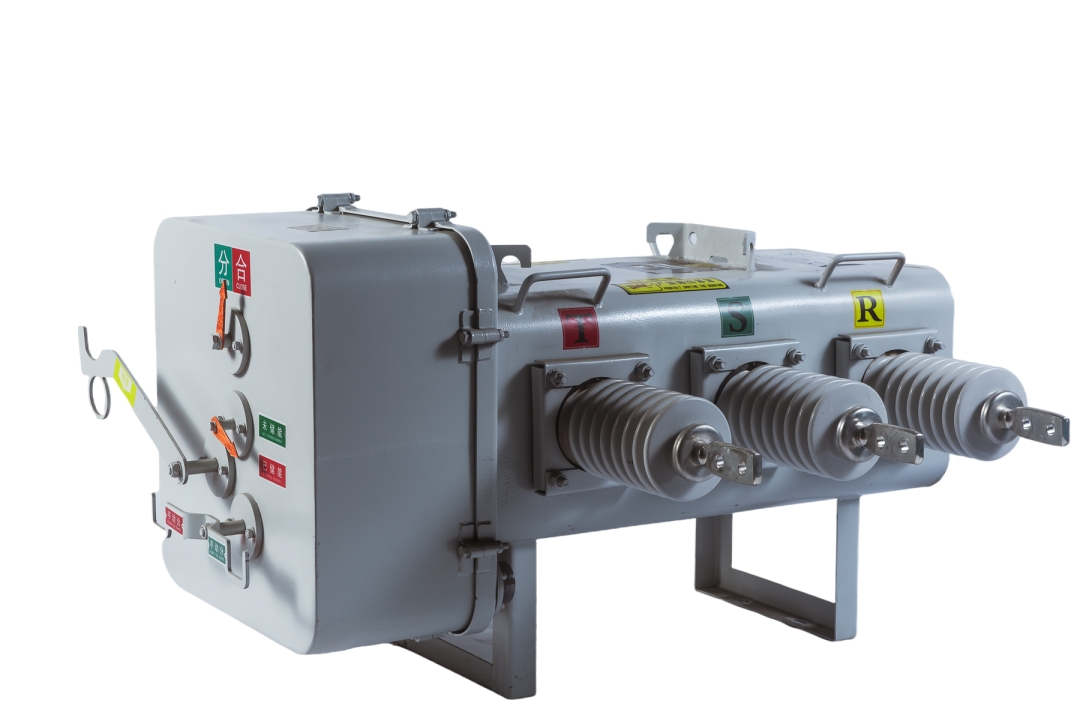
Outdoor medium-voltage equipment may be exposed to temperature variation, dust, humidity, salt, pollution, altitude, ultraviolet radiation, wind, and ice.
Published parameters for selected Deepwill configurations include:
-
Ambient temperature: Approximately –30°C to +40°C
-
Installation altitude: Up to 1,000 metres for selected standard configurations
-
System frequency: 50/60 Hz
-
Rated current: 630 A for selected 11 kV and 33 kV configurations
-
Installation type: Outdoor distribution applications
-
Operating options: Manual, motorized, or remote operation, depending on model
Projects outside the standard environmental limits may require additional insulation margins, derating, special materials, or anti-condensation measures.
For automated networks, buyers should define the control voltage, local and remote operating modes, position indication, auxiliary contacts, communication protocol, terminal arrangement, and RTU or SCADA requirements before production. Early confirmation can prevent wiring revisions during factory inspection.
What Testing and Documentation Should Buyers Request?
Product approval should be based on agreed inspection criteria rather than catalogue information alone. Depending on the model and applicable standard, the inspection scope may include:
-
Visual and dimensional inspection
-
Contact-resistance measurement
-
Power-frequency insulation testing
-
Mechanical and motor operation tests
-
Position-indication and auxiliary-contact testing
-
Control-wiring and remote-command checks
-
Nameplate, marking, and packaging inspection
The documentation package may include general arrangement drawings, wiring diagrams, installation instructions, operating manuals, routine test reports, applicable type-test documents, packing lists, and spare-parts recommendations.
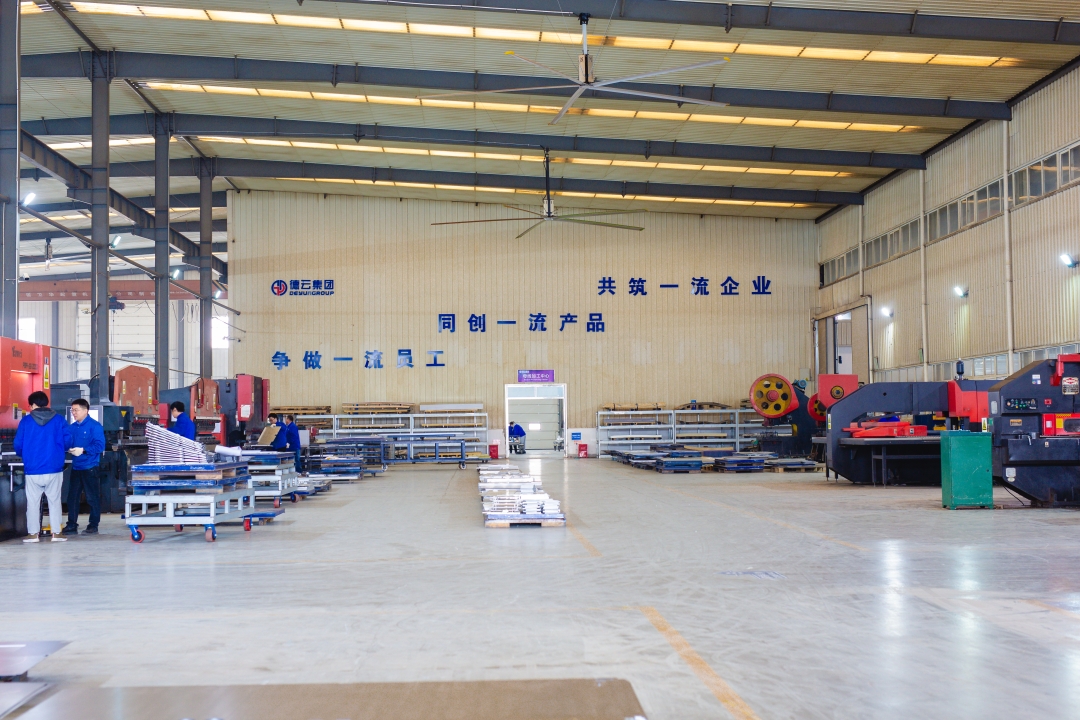
Deepwill operates within the manufacturing background of Deyun Electric Group, which has nearly 30 years of experience in electrical-equipment development and production. The wider group covers seven business sectors and offers more than 30 product series with hundreds of product configurations.
The company presents quality, environmental, occupational-health, and product-compliance credentials associated with ISO 9001, ISO 14001, OHSAS 18001, IEC, GB, CE, and CCC requirements. Buyers should confirm which documents apply to the selected model and destination market.
Buyer takeaway: Testing procedures and documentation requirements should be confirmed before ordering, not after production.
Deepwill Vacuum Load Break Switch Connects with a Complete Distribution Portfolio
Medium-voltage switching equipment must often coordinate with protection devices, transformers, ring-main equipment, and downstream distribution panels.
The Deepwill portfolio includes:
-
Load Break Switch: Switching and isolation solutions for different network configurations
-
SF6 Load Break Switch: Gas-insulated switching options for applicable medium-voltage projects
-
Vacuum Load Break Switch: Vacuum switching for load control, isolation, and sectionalizing
-
Recloser: Automatic fault interruption and service restoration for overhead networks
-
Switchgear: Distribution, protection, and control equipment for utility and industrial systems
-
Low Voltage Switchgear: Downstream protection, control, and power distribution
-
Medium Voltage Switchgear: Primary and secondary distribution for substations and facilities
-
Outdoor RMU: Compact outdoor ring-main and sectionalizing solutions
-
Dry Type Transformer: Transformer solutions for indoor facilities and applications with specific fire-safety requirements
-
Oil Immersed Transformer: Transformer solutions for utility, industrial, and outdoor distribution applications
A distribution project may use a Recloser at the feeder source, a Vacuum Load Break Switch at sectionalizing points, an Outdoor RMU at a distribution node, and Medium Voltage Switchgear within a substation. A Dry Type Transformer or Oil Immersed Transformer may then supply the Low Voltage Switchgear system.
Coordinating these interfaces early can reduce inconsistencies involving electrical ratings, protection settings, control voltages, cable terminations, drawings, and delivery schedules.
Recent International Market and Project Activity
Deepwill continued to engage with international utility, energy, and infrastructure markets during 2025.
In March, company representatives visited Iraq and discussed distribution-network modernization, renewable-energy development, rural electrification, and infrastructure projects. The presented equipment included load break switches, reclosers, transformers, switchgear, RMUs, GIS equipment, and prefabricated substations.
In April, Deepwill participated in Middle East Energy in Dubai and presented medium-voltage switching and distribution solutions. The event supported discussions with visitors and potential partners from markets including Kenya, Tanzania, Palestine, and Pakistan.
In May, the company reported progress involving a power-distribution project in Saudi Arabia. The project scope covered switching equipment, transformers, switchgear, RMUs, GIS products, and substation solutions.
These activities demonstrate Deepwill’s continued focus on market-specific power-distribution requirements. Grid design, climate, technical standards, automation practices, and procurement procedures vary by region, making project-level technical confirmation essential.
Frequently Asked Questions
What is a Vacuum Load Break Switch?
A Vacuum Load Break Switch is medium-voltage equipment used to make and break normal load current and to isolate or sectionalize a distribution circuit. Switching takes place inside a sealed vacuum interrupter. Product selection should reflect the required electrical ratings, operating environment, control functions, and network duty.
What is the difference between a Vacuum Load Break Switch and a Recloser?
A Vacuum Load Break Switch is mainly used for normal load switching, isolation, and sectionalizing. A Recloser detects and interrupts fault current and can automatically reclose after a temporary fault. The two products can work together in an automated network, but they are not interchangeable.
When should buyers compare vacuum and SF6 technologies?
Buyers should compare a Vacuum Load Break Switch and an SF6 Load Break Switch when environmental policy, insulation design, gas management, equipment dimensions, maintenance, operating conditions, and lifecycle cost affect the purchasing decision.
What information is required for product selection?
A product-selection request should include system voltage, rated current, frequency, insulation level, switching duty, installation method, operating environment, control voltage, automation requirements, applicable standards, testing scope, quantity, and expected delivery schedule.
Deepwill Vacuum Load Break Switch Supports Informed Procurement
The most suitable Vacuum Load Break Switch is the product whose ratings, switching duty, insulation design, operating mechanism, environmental capability, control functions, testing package, and delivery scope match the actual network.
Buyers can begin by preparing a single-line diagram and defining the project’s electrical, environmental, automation, testing, and documentation requirements. This information can support a model-specific technical proposal, drawing package, inspection plan, delivery schedule, and commercial quotation.
Deepwill is a specialized provider of vacuum load break switches and integrated power-distribution equipment up to 35 kV for utilities, EPC contractors, industrial facilities, and infrastructure projects.
About Deepwill
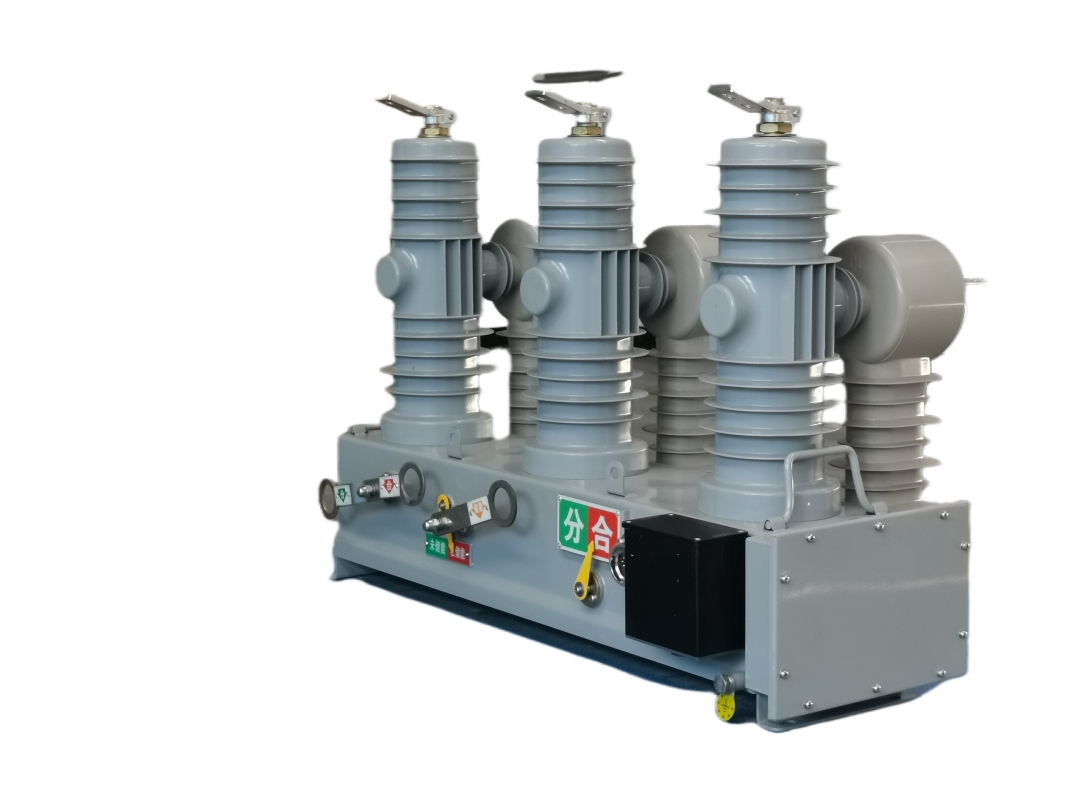
Deepwill International Technology Development (Jiangsu) Co., Ltd. is the international-market company established by Deyun Electric Group. It supplies power-distribution equipment for utility, industrial, infrastructure, renewable-energy, and EPC projects in overseas markets.
The Deepwill portfolio covers load break switches, reclosers, low- and medium-voltage switchgear, outdoor ring main units, dry-type and oil-immersed transformers, GIS equipment, power-quality products, and prefabricated substations. Supported by the manufacturing experience and product resources of Deyun Electric Group, Deepwill focuses on application-specific equipment selection, coordinated project delivery, and power-distribution solutions up to 35 kV.
Media Contact
Company Name: Deepwill International Technology Development (Jiangsu) Co., Ltd
Contact Person: Julion
Email: Send Email
Phone: 8617351370631
Address:No.3 Muyang Road,Hanjiang District
City: Yangzhou
State: Jiangsu
Country: China
Website: https://www.deyunelectric.com


