Pharmaceutical Developers Evaluate Key Criteria for Selecting Peptide APIs Across Diverse Drug Programs
Hangzhou, Zhejiang, China – November 20, 2026
Introduction
Peptide-based compounds have become an important part of pharmaceutical research and development. Their structural diversity and ability to interact with specific biological targets have attracted growing attention across metabolic, gastrointestinal, endocrine, and other therapeutic research areas.
For pharmaceutical companies and biotechnology developers, however, sourcing peptide materials is not simply a matter of finding a product with the correct name. Different development programs have different requirements regarding molecular structure, purity, analytical characterization, manufacturing consistency, and regulatory documentation.
This is particularly relevant for companies working across multiple therapeutic areas. A supplier specializing in one peptide category may not necessarily provide the product range or technical capabilities required for a broader development pipeline.
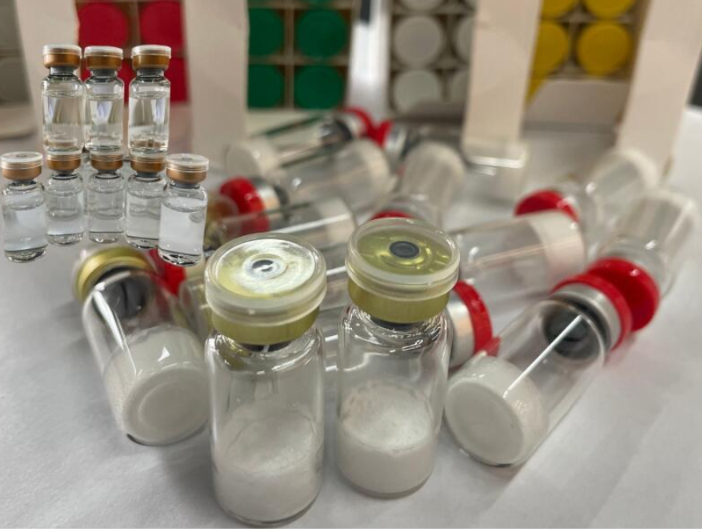
Understanding the different types of Peptide APIs and their application areas can help buyers make more informed sourcing decisions and establish more effective long-term supplier relationships.
1. GLP-1 Peptide APIs and the Growing Metabolic Research Market
Metabolic diseases have become an important area of pharmaceutical innovation, creating demand for peptide compounds involved in glucose regulation, appetite control, and metabolic pathways.
GLP-1 Peptide APIs are particularly relevant in this field. These compounds interact with glucagon-like peptide-1 receptors and have become important components of modern metabolic drug development.
Several representative products include:
-
Semaglutide: A GLP-1 receptor agonist widely used in pharmaceutical development for metabolic indications.
-
Liraglutide: Another established GLP-1 analogue with applications in metabolic medicine.
-
Dulaglutide: A long-acting GLP-1 receptor agonist used in type 2 diabetes treatment.
-
Tirzepatide: A dual GIP and GLP-1 receptor agonist.
-
Retatrutide: An investigational triple receptor agonist targeting GLP-1, GIP, and glucagon receptors.
Although these compounds belong to related areas of metabolic research, their molecular structures and manufacturing requirements are not identical.
For buyers, evaluating a GLP-1 Peptide Supplier should therefore involve more than checking product availability. Analytical specifications, molecular identity, impurity profiles, manufacturing consistency, and relevant regulatory documentation should all be considered.
Thinheal’s product portfolio includes several of these metabolic peptide APIs, supporting different sourcing requirements within the therapeutic peptide category.
2. Gastrointestinal Peptides Require Different Product Considerations
Not all pharmaceutical peptide development programs focus on metabolic pathways. Gastrointestinal disorders represent another important area where peptide-based compounds have established or emerging applications.
Gastrointestinal Peptides include compounds developed for different biological targets and mechanisms. Their molecular properties and intended applications can vary considerably, meaning that product selection should be based on the specific requirements of each development program.
Two representative examples are:
Linaclotide
Linaclotide is a guanylate cyclase-C agonist used in the treatment of certain gastrointestinal conditions, including irritable bowel syndrome with constipation and chronic idiopathic constipation.
Its mechanism involves increasing intestinal fluid secretion and influencing intestinal function. For API buyers, important considerations include molecular identity, purity, related substances, and suitable analytical documentation.
Thinheal has listed Linaclotide (CAS No. 851199-59-2) in its therapeutic peptide product portfolio.
Teduglutide
Teduglutide is a glucagon-like peptide-2 (GLP-2) analogue used in the treatment of short bowel syndrome in appropriate patients.
Unlike GLP-1 analogues, GLP-2-related compounds are associated with different physiological pathways and development requirements.
This distinction highlights why pharmaceutical buyers should evaluate peptide APIs according to their specific molecular characteristics rather than treating all therapeutic peptides as interchangeable materials.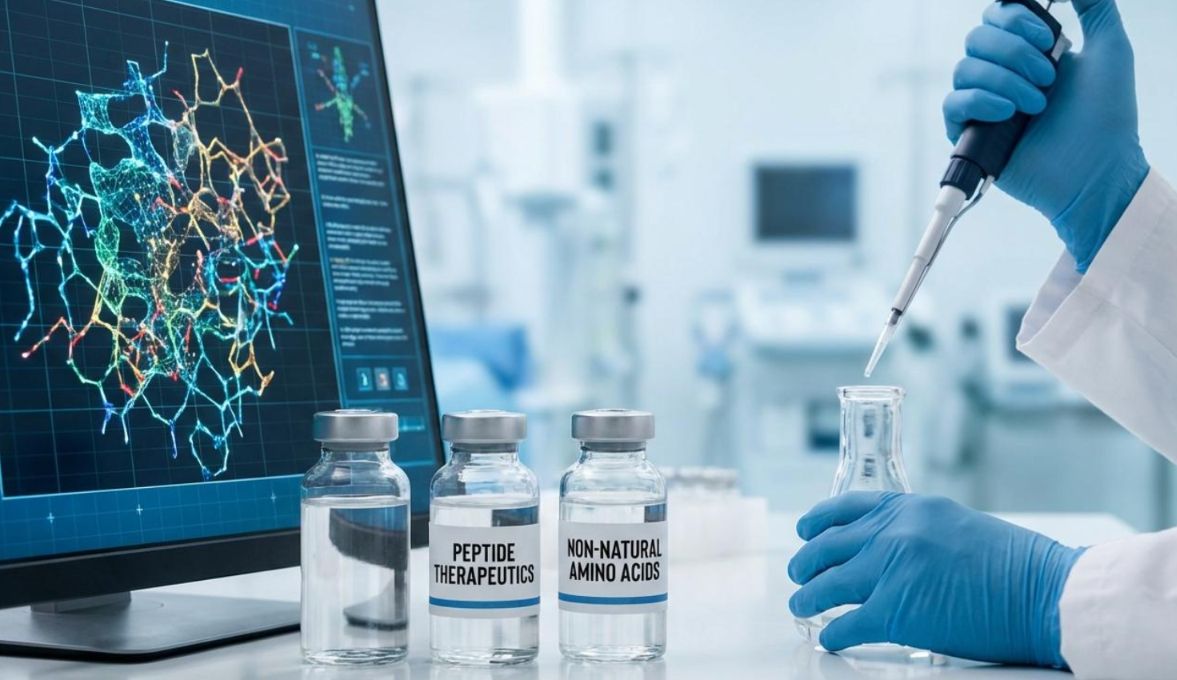
3. Cosmetic Peptides Represent Another Specialized Product Category
Beyond therapeutic applications, peptides are also used in cosmetic ingredient development.
Cosmetic Peptides are studied and incorporated into formulations for applications involving skin appearance, conditioning, and other cosmetic functions.
Unlike pharmaceutical APIs, cosmetic peptide sourcing may involve different formulation requirements, target specifications, and regulatory considerations depending on the intended market and finished product.
For cosmetic raw material distributors and formulation developers, several factors deserve attention:
-
Peptide identity and ingredient specifications
-
Purity and analytical documentation
-
Solubility and formulation compatibility
-
Stability under intended storage conditions
-
Batch consistency and supply availability
A supplier with both therapeutic and cosmetic peptide categories can offer buyers a broader sourcing option, although each product still needs to be evaluated against its specific application and applicable regulations.
Thinheal includes cosmetic peptides as a separate product category alongside its therapeutic peptide portfolio.
4. What Should Buyers Evaluate Before Selecting a Peptide API?
Choosing the righT Peptide API requires a structured evaluation process. Product names and advertised purity levels alone do not provide enough information to assess whether a material is suitable for a particular development program.
The following considerations can help pharmaceutical buyers make more informed decisions.
Molecular Identity and Product Specifications
Confirm the exact peptide sequence, molecular structure, CAS number, salt form, and other relevant specifications. Even products with similar names may have different molecular characteristics.
Purity and Impurity Profile
Purity is an important quality attribute, but buyers should also understand the related impurity profile and the analytical methods used to characterize the material.
Analytical Documentation
Depending on the project requirements, analytical information may include HPLC or UPLC purity results, LC-MS identity confirmation, impurity data, and a Certificate of Analysis (COA).
Regulatory Documentation
Documentation requirements depend on the destination market, product status, and intended use. Buyers should confirm the relevant certificates, regulatory filings, and supporting records rather than assuming that one document establishes compliance in every market.
Supply and Manufacturing Consistency
For projects moving from development toward commercial production, manufacturing capacity, batch consistency, production planning, and long-term supply arrangements become increasingly important.
Evaluating these factors early can reduce communication gaps and help prevent sourcing problems later in the development process.
5. Why a Diversified Peptide API Portfolio Matters
For pharmaceutical companies managing multiple development programs, working with a supplier offering several peptide categories can simplify sourcing and technical communication.
Instead of establishing separate supplier relationships for every product category, buyers may be able to consolidate part of their procurement through a manufacturer with broader peptide capabilities.
Hangzhou Thinheal Pharma-Tech Co., Ltd. was established in 2019 and focuses on peptide research, development, manufacturing, and customized production services.
Its product portfolio covers GLP-1 analogues, GLP-2 analogues, other gastrointestinal peptides, other therapeutic peptide APIs, and cosmetic peptides.
The company’s recent development milestones also demonstrate its focus on manufacturing and regulatory capabilities. Its published news includes EU Written Confirmation milestones for Linaclotide and Tirzepatide active substance exports, as well as a Retatrutide API DMF filing announcement in January 2026.
These developments provide useful reference points for international buyers evaluating a potential Peptide API Supplier. However, regulatory documentation and manufacturing qualifications should always be checked against the specific product, market, and intended application.
6. Build a More Efficient Peptide Sourcing Strategy
A practical sourcing strategy should begin with the requirements of the development program rather than the supplier’s product catalog.
Before requesting quotations, buyers should prepare basic product information, including the target peptide, required quantity, purity specification, intended application, delivery requirements, and destination market.
For customized projects, additional details such as peptide sequence, modifications, salt form, and analytical requirements may also be necessary.
It is equally important to distinguish between research quantities, development batches, and commercial API requirements. Each stage may involve different technical specifications, documentation expectations, and manufacturing arrangements.
A clear sourcing brief allows suppliers to assess the project more accurately and provide more relevant technical and commercial information.
Conclusion
The peptide market covers a wide range of molecular structures and application areas, from GLP-1 analogues and gastrointestinal peptides to specialized cosmetic ingredients.
For pharmaceutical companies and biotechnology developers, selecting suitable Peptide APIs requires a clear understanding of product specifications, analytical quality, regulatory documentation, and long-term supply requirements.
A diversified portfolio can provide additional sourcing flexibility, particularly for businesses managing multiple research and development programs.
With its range of therapeutic and cosmetic peptides, together with its research and manufacturing capabilities, Thinheal supports international customers seeking peptide products and customized development cooperation.
Whether you are sourcing Semaglutide, Tirzepatide, Linaclotide, or other peptide materials, contact Thinheal to discuss your product specifications, documentation requirements, and potential cooperation opportunities.
About Us
Hangzhou Thinheal Pharma-Tech Co., Ltd. was established in 2019. It is a biopharmaceutical company that combines independent R&D, production, sales and customized research and development and production of peptide products.
Media Contact
Company Name: Hangzhou ThinHeal Pharma-Tech Co., Ltd
Contact Person: Media Relations
Email: Send Email
Country: China
Website: https://www.thinhealpeptide.com/


