How Growing Up in Generation X, the Millennial Era and Generation Z Shapes the Toys Parents Choose Today
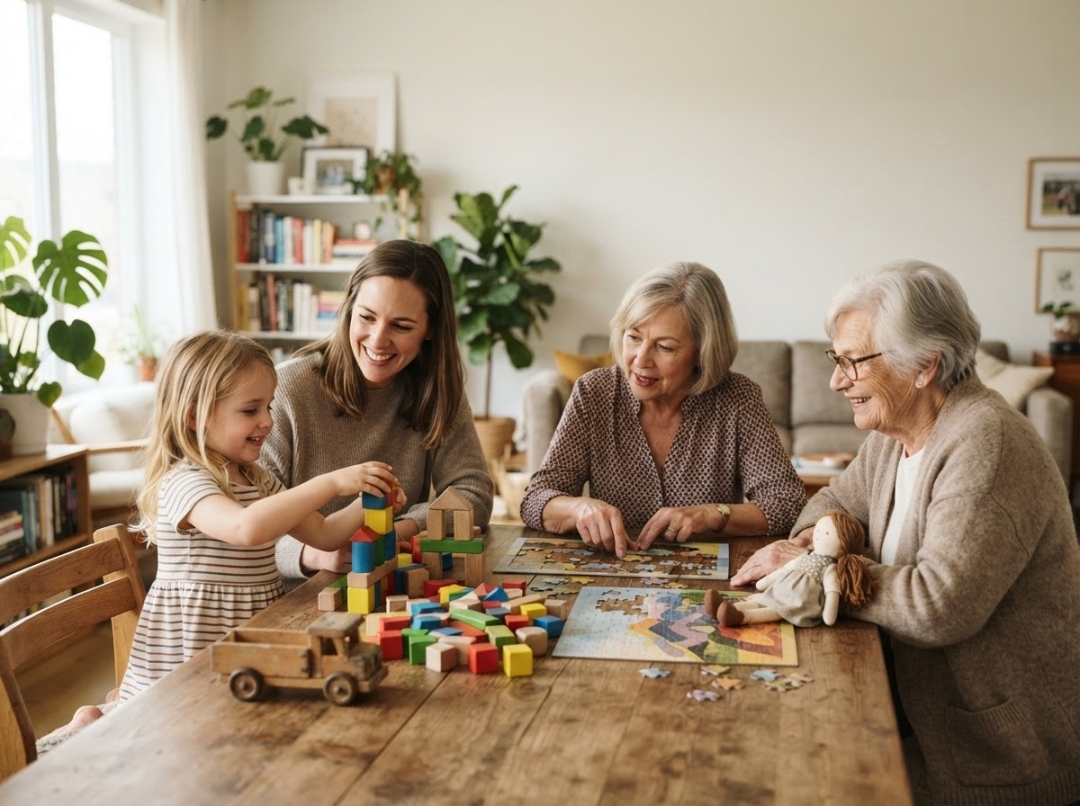
SRAČINEC, Croatia – September 25, 2026 – The toys adults choose for children often reveal more than age recommendations or current trends. They can also reflect how parents and grandparents remember their own childhoods, what they believe children need today and which parts of growing up they hope to pass on—or approach differently.
As Croatian retailer Bima marks 35 years in business, the company is looking at how the childhood experiences of Generation X, Millennials and Generation Z continue to shape family attitudes toward play. The comparison is not intended to place every parent into a fixed category. Instead, it highlights how different social and technological environments may influence what adults expect from a toy.
Generation X: room for independent play
Members of Generation X grew up largely before the internet, smartphones and on-demand entertainment became part of daily life. Their childhood play was often less structured and more independent, taking place outdoors, at a table with friends or with toys that did not prescribe a single way to use them.
That experience can be seen in the continued appeal of building blocks, dolls, toy vehicles, balls, outdoor toys, puzzles and board games. For many adults from this generation, a good toy does not need to provide constant instructions or stimulation. Its value lies in leaving enough space for children to invent the story themselves.
Millennials: play with a purpose—and a touch of nostalgia
Millennials form a bridge between an analogue childhood and an increasingly digital adulthood. Many remember playing without smartphones but now research products online, compare reviews and pay close attention to safety, quality and developmental value.
Their choices often combine fun with a purpose: creative sets, construction toys, puzzles, science activities and toys that support motor skills, problem-solving or imagination. At the same time, nostalgia has become a visible force in the toy market. Familiar characters, classic games and updated versions of toys from the 1980s and 1990s allow parents to introduce children to something connected to their own memories.
Industry data supports the wider reach of this trend. Circana reported that consumers aged 12 and older represented 28.5% of toy sales by value across Europe’s five largest toy markets in 2023, with building sets, games, puzzles, collectibles, fandom and nostalgia helping to drive demand. The result is a market in which adults are not only buying for children but are also returning to play themselves.
Generation Z: identity, discovery and a search for balance
The oldest members of Generation Z are now parents of young children. They are the first parent generation to have grown up with social media as a major influence on discovery, identity and purchasing decisions.
For these younger parents, an appealing toy may need to meet several expectations at once: it should be engaging, visually distinctive, relevant to the child’s interests and reasonably priced. Creativity, personal expression, inclusivity and a brand’s perceived responsibility may also influence the decision. Trends can spread quickly through short-form video, online communities and creator recommendations, giving toys and collectibles a cultural role beyond the playroom.
Yet constant digital exposure has also created a countertrend. Many younger families are actively looking for hands-on activities that encourage children and adults to step away from screens and spend time together. The LEGO Group’s 2024 Play Well Study, involving more than 61,000 participants across 36 countries, found that 96% of children and 91% of parents considered play important to their well-being. It also found that 87% of parents wished they could play more.
Generation Alpha: children influence the choice, too
Adults bring their memories and values to the purchase, but children are increasingly active participants in choosing toys. Generation Alpha discovers characters, products and play ideas through streaming services, video platforms, games and online creators. A toy can therefore succeed for two different reasons at the same time: a child may recognise it from current digital culture, while a parent may connect it to a familiar story or brand from the past.
This creates one of the defining dynamics of today’s toy market. Parents often want to recreate the freedom and creativity of their own childhoods, while children encounter new play ideas through screens. The most enduring toys frequently connect these worlds by offering an easy point of entry and enough flexibility for children to make the experience their own.
Different memories, shared expectations
Despite the differences, the generations have more in common than popular labels may suggest. Parents and grandparents generally look for toys that are appropriate for the child’s age and interests, offer lasting play value and create genuine enjoyment. Educational benefits, durability, affordability and opportunities for family interaction may carry different weight from one household to another, but they increasingly appear together in the same purchasing decision.
“Over 35 years, we have watched technology, characters and trends change, but the central question families ask remains surprisingly consistent: will the child truly enjoy playing with this?” said Goran Peremin of Bima. “Parents may begin with their own memories, but the best choice is usually the toy that leaves room for the child’s interests, imagination and way of seeing the world.”
Bima’s current selection of toys for different ages and styles of play reflects that breadth, ranging from classic dolls, vehicles and building toys to creative sets, educational activities, outdoor toys and contemporary licensed products.
The evolution of toys is therefore not simply a story of old products being replaced by new ones. It is a continuing conversation between generations: adults pass on memories and values, children reinterpret them, and play adapts to the world families live in now.
About Bima
Bima is a Croatian retail brand operated by KB d.o.o., a family-owned company founded in 1991. Through its online store and 16 retail locations, the company offers toys, household products, gifts, seasonal decorations and other products for everyday family life. For 35 years, Bima’s mission has been to make practical, enjoyable and accessible products available to households across Croatia while continuing to develop its retail and online services.
Media Contact
Company Name: Bima
Contact Person: John Highlander
Email: Send Email
Address:Ul. Vilka Novaka 6
City: Sracinec
Country: Croatia
Website: https://bima-shop.hr


