Betaine Anhydrous: The Complete Guide to Benefits, Uses & Applications in 2026
Weinan City, Shaanxi, China-September 23, 2026
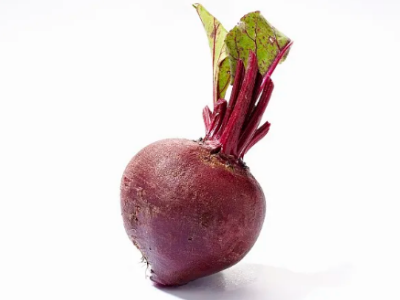
Betaine was first isolated from sugar beets in the 19th century (hence its name); the compound occurs naturally in spinach, quinoa, wheat bran, and seafood. Today, most commercially available anhydrous betaine is produced via chemical synthesis—primarily using the chloroacetic acid-trimethylamine process—and typically boasts a purity exceeding 99%.
I.Betaine Anhydrous vs. Betaine Monohydrate: Key Differences
One of the most common questions we get is: What’s the difference between anhydrous betaine and betaine monohydrate? While both deliver the same active ingredient — trimethylglycine — they differ in several important ways that matter for formulation and purchasing decisions.
| Feature | Betaine Anhydrous | Betaine Monohydrate |
|---|---|---|
| Chemical formula | C₅H₁₁NO₂ | C₅H₁₁NO₂ · H₂O |
| Molecular weight | 117.15 g/mol | 135.16 g/mol |
| Active betaine content | ~99%+ | ~85% (on dry basis) |
| Water content | ≤ 2.0% | ~13–15% (crystal water) |
| Hygroscopicity | Very high (absorbs moisture rapidly) | Lower (more stable) |
| CAS number | 107-43-7 | 590-47-6 |
| pH (10% solution) | 5.0 – 7.0 | 5.0 – 7.5 |
| Price | Higher (more concentrated) | Lower |
| Typical use cases | Pharmaceuticals, feed, high-purity applications | Cosmetics (NMF-50), general skincare, food |
II.Which One Should You Choose?
The answer=”choose”> Choose betaine anhydrous when:
You need the maximum active content per kilogram of product (higher potency, lower shipping costs per unit of betaine)Your application is sensitive to water (e.g., certain pharmaceutical formulations, dry blends)You have controlled-humidity storage conditionsChoose betaine monohydrate when:
Cost efficiency is a top priority and water content is acceptableYou need better flowability and handling (less hygroscopic)The product is for skincare/cosmetics where the hydrated form is industry standard (often sold as NMF-50)Important: Once dissolved in water, both forms are biologically identical. The betaine molecule itself is the same — only the crystal form differs. For liquid formulations or aqueous products, they perform equally well.
III.Scientific Benefits of Betaine Anhydrous
Osmoprotection and Cellular HydrationAs a compatible solute, betaine anhydrous protects cells, proteins, and enzymes against osmotic stress caused by dehydration, high salinity, or extreme temperatures. It stabilizes protein structures and maintains cell volume without interfering with normal cellular functions—making it valuable for:
Sports nutrition—helping maintain fluid and electrolyte balance during intense exerciseSkincare—attracting and retaining moisture in the skinAnimal feed—protecting livestock from heat stressPlant agriculture—enhancing crop tolerance to drought and salinity

Athletic Performance and StrengthA study published in the *Journal of the International Society of Sports Nutrition* indicates that betaine supplementation may help improve strength and power. A 14-day study found significant improvements in bench press throw power and isometric bench press strength among subjects supplementing with betaine compared to those taking a placebo. Its mechanisms of action likely include enhanced cellular hydration, improved methylation, and the promotion of muscle protein synthesis.
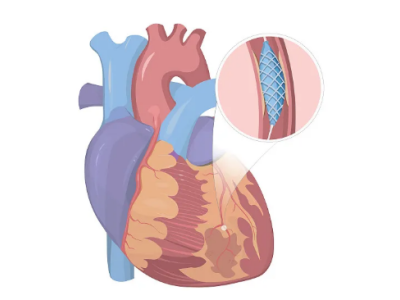
Cardiovascular SupportBetaine anhydrous indirectly supports cardiovascular health by lowering homocysteine levels. Elevated homocysteine can damage endothelial cells and promote the development of atherosclerosis. When used in conjunction with folic acid and vitamins B6 and B12, betaine forms a potent strategy for reducing homocysteine levels.
IV.Common dosage forms in finished products
Anhydrous betaine is a highly versatile compound used across various industries.
Animal Feed and Nutrition (Largest segment—accounting for approximately 68% of market share)Feed-grade anhydrous betaine represents the primary application area. It serves as:
Food & Beverage / Dietary Supplements (Approximately 16% of market share)In the food industry, anhydrous betaine is classified as GRAS (Generally Recognized As Safe) by the US FDA and is approved by the European Commission. It is used in:
Sports and energy drinks (for hydration)Functional foods and nutraceuticalsDietary supplements (liver support, homocysteine management, athletic performance enhancement)Baked goods and dairy products (as a texture improver and moisture-retaining agent)The EU permits betaine levels of at least 500 mg per serving in food products.
Applications in Skincare and CosmeticsAnhydrous betaine is a rising star in “clean beauty” formulations. Its zwitterionic structure makes it an excellent humectant, capable of drawing moisture from the air and delivering it to the skin, while also acting as an osmoprotectant that helps skin cells better withstand environmental stressors.
Key Skincare BenefitsDeep Hydration: Attracts and locks in water molecules, providing long-lasting hydration. Its moisturizing capability rivals that of hyaluronic acid.Barrier Support: Strengthens the skin’s natural moisture barrier and reduces transepidermal water loss (TEWL).Anti-irritation: Reduces stinging and irritation caused by surfactants, acids, and retinol—making it ideal for formulations designed for sensitive skin.Smooth Texture: Imparts a silky, non-greasy feel to the skin and improves product spreadability.Hair Care: Nourishes hair, enhances shine, and protects against chemical damage from treatments such as coloring and perming.
| Product Type | Typical Usage Rate | Function |
|---|---|---|
| Toners & essences | 0.5 – 5% | Hydration, soothing |
| Moisturizers & lotions | 0.5 – 5% | Long-lasting hydration, smooth feel |
| Cleansers & face washes | 0.5 – 2% | Reduces tightness, anti-irritation |
| Shampoos & conditioners | 0.3 – 3% | Detangling, shine, moisture |
| Hair styling products | 0.5 – 5% | Conditioning, heat protection |
| Toothpaste & oral care | 0.2 – 1% | Moisture retention |
Market Trends and Future Outlook
With the global phase-out of antibiotic growth promoters, the demand for natural feed additives is rising, and the role of betaine as a natural growth promoter is rapidly expanding.The “Clean Beauty” movement—driven by consumers seeking natural, scientifically proven skincare ingredients like betaine—is gaining momentum.The health and wellness boom—growing interest in homocysteine levels, liver health, and sports nutrition is fueling demand for nutritional supplements.The booming aquaculture industry—the fastest-growing sector within the animal protein market—relies on betaine as a key feed ingredient.

Email: [email protected]
WhatsApp/phone: +86 17782577059
About Us
Rooted in Nature. Refined for Better Health. We believe better health starts with nature. Guided by the principle of “as natural and pure as possible,”Carefully select traceable plant-based and biological ingredients to create high-quality health solutions.
Media Contact
Company Name: Shaanxi Yuantai Biological Technology Co., Ltd
Contact Person: Media Relations
Email: Send Email
Country: China
Website: https://www.ytbio-healthy.com/


