Reliable Standard ADU Builders Shares Guidance on Choosing the Right ADU Builder in San Diego, CA
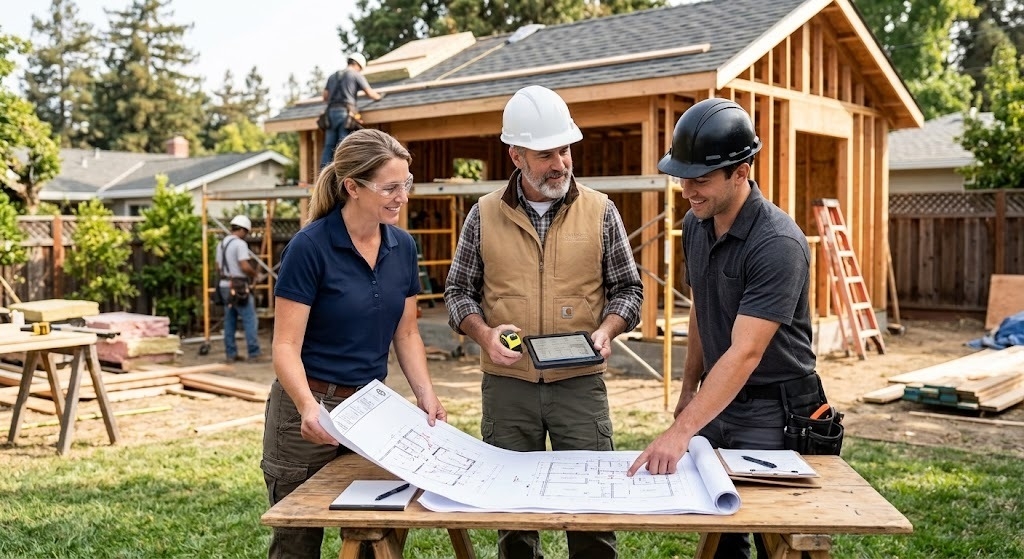
SAN DIEGO, Calif. — Oct 13, 2026 – As homeowners consider ways to create additional living space on their properties, choosing the right accessory dwelling unit (ADU) builder has become an important part of planning a successful project. Reliable Standard ADU Builders, serving San Diego, California, is highlighting practical considerations homeowners can use when evaluating contractors for an ADU construction project, from reviewing project experience to understanding permits, construction timelines and the scope of work.
An ADU is a secondary residential unit located on the same property as a primary home. Depending on the property’s layout, local requirements and project goals, an ADU may provide space for extended family, a private area for guests or a separate living arrangement. However, the process involves more than selecting a floor plan and starting construction. Property conditions, design decisions, permitting requirements and construction details can all affect how a project moves forward.
For homeowners asking how to choose the right ADU builder in San Diego, CA, the process should begin with reviewing a contractor’s relevant experience, verifying licensing and insurance, and requesting a clear written estimate. Homeowners should also ask how the builder handles design coordination, local permitting, construction scheduling and communication throughout the project. Comparing these details, rather than relying on price alone, can help property owners make a more informed decision.
“Homeowners should understand the project scope, costs and permitting process before construction begins,” said the owner of Reliable Standard ADU Builders.
Understanding the Property Before Construction
One of the first steps in an ADU project is determining whether the property can accommodate the proposed unit. Available space, existing structures, access to utilities, site conditions and the relationship between the main home and the proposed ADU may influence the design and construction plan.
San Diego properties can differ considerably in lot size, layout and existing infrastructure. A design that works on one property may require adjustments on another. Homeowners should therefore discuss the property’s specific conditions with a qualified builder before committing to a final design or construction budget.
An initial project assessment can help identify questions that need further investigation. These may include utility connections, grading, drainage, access for construction equipment and potential site preparation requirements. Identifying these considerations early can help reduce uncertainty as the project develops.
Checking Experience, Credentials and References
Not every residential contractor has the same background in accessory dwelling unit construction. Homeowners should ask prospective builders about their experience with similar projects and whether they can explain the stages involved in taking an ADU from planning through construction.
Reviewing completed projects can help homeowners understand a builder’s approach to layouts, finishes, space utilization and construction quality. References from previous clients may also provide insight into communication, scheduling, problem-solving and how unexpected issues were addressed.
California contractor licensing is another important consideration. Homeowners can verify applicable license information through the California Contractors State License Board and confirm that the contractor holds the appropriate classification for the proposed work. They should also ask for proof of insurance and review the contract before authorizing construction.
A written agreement should identify the work included in the project, payment terms, allowances, exclusions, anticipated milestones and the process for approving changes. Homeowners should clarify how changes in materials, site conditions or design requirements may affect the final price and schedule.
Understanding San Diego Permits and Building Requirements
Permitting is an essential part of planning an ADU in San Diego. Applicable requirements may depend on the property’s location, proposed unit type, design, site conditions and relevant state and local regulations. Homeowners should not assume that every property follows the same approval process or that a particular design will automatically qualify.
Before construction begins, homeowners should ask the builder who will coordinate the plans, permit applications, required reviews and inspections. They should also clarify which responsibilities belong to the builder, designer, engineer or property owner.
A qualified project team should be able to explain the anticipated approval process and identify issues that may need additional review. Homeowners can independently confirm applicable requirements with the relevant local planning and building department.
Understanding the permitting process also helps establish realistic expectations. Design revisions, agency reviews, utility coordination and required inspections can influence project timing. A builder should explain these dependencies rather than promise a completion date without accounting for them.
Comparing Estimates, Materials and Project Timelines
Price is an important consideration, but estimates should be compared carefully. One proposal may include design coordination, site preparation, utility work and finish materials, while another may exclude some of these items. Comparing the total scope helps homeowners understand whether the bids represent similar levels of work.
Homeowners should request clarification on major cost categories, including foundation work, framing, roofing, plumbing, electrical systems, insulation, windows, doors and interior finishes, as applicable to the project. They should also ask how unforeseen conditions and owner-requested changes will be documented and priced.
Construction schedules deserve similar attention when choosing ADU builders. Ask which milestones depend on permit approval, material availability, inspections and subcontractor scheduling. A detailed schedule can help homeowners understand the expected sequence of work, although actual timing may change as project conditions develop.
Choosing a Builder Who Communicates Clearly
Consistent communication can make a complex construction project easier to manage. Before signing an agreement, homeowners should understand who their primary contact will be, how often updates will be provided and how questions or concerns will be handled.
Regular progress updates, documented decisions and clear explanations of delays can help homeowners stay informed throughout construction. It is also useful to establish how site access, property protection, cleanup and final walkthroughs will be managed.
Reliable Standard ADU Builders serves homeowners in San Diego, California, who are considering accessory dwelling unit construction. Property owners evaluating an ADU project can use these considerations to compare contractors, understand their responsibilities and prepare informed questions before moving forward.
About Reliable Standard ADU Builders
Reliable Standard ADU Builders provides ADU building services for homeowners in San Diego, California. The company can be contacted at 858-251-0935.
Media Contact
Company Name: Reliable Standard ADU Builders
Contact Person: Media Relations
Email: Send Email
Phone: (858)251-0935
Address:11315 Rancho Bernardo Rd, San Diego, CA 92127, United States
City: San Diego
State: CA
Country: United States
Website: https://reliablestandardadubuilders.com/


