DSL Chemicals Helps Buyers Evaluate Halogenated Aromatic Intermediates with Specific Product Examples and Clearer Sourcing Questions
SHANGHAI – September 21, 2026 – Buyers sourcing halogenated aromatic intermediates should confirm the exact compound and CAS number, target specification, required quantity, analytical documentation, and destination before comparing quotations. DSL Chemicals supplies selected halogenated aromatic intermediates and related fine chemicals, supporting product-specific inquiries with technical review, quality documentation, and shipment coordination.
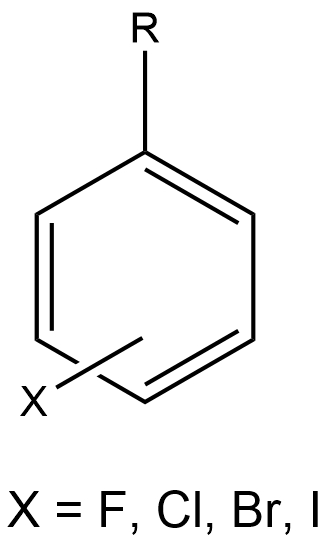
Its product categories include fluorinated, chlorinated, brominated, and iodinated aromatic intermediates for selected pharmaceutical, agrochemical, and specialty chemical projects. DSL Chemicals also reviews suitable custom synthesis requirements. Because these compounds differ in structure and practical supply needs, each purchasing decision depends on the requirements of the individual project.
Which Listed Products Illustrate the Category?
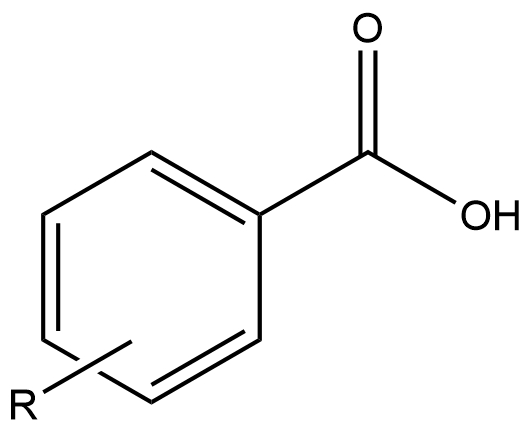
The most useful starting point is a named compound. DSL Chemicals’ product listings include 4-Bromo-2,5-Dimethylpyridine (CAS 17117-23-6, DSLChem ID C057846) and 4-Bromo-6-Fluoroquinoline (CAS 661463-17-8, DSLChem ID C057838). Both are halogenated heteroaromatic compounds; the quinoline example contains two different halogens. Another listed compound, 5-(2-Chlorophenyl)-1H-Pyrazole-4-Carboxylic Acid (CAS 1007541-84-5, DSLChem ID C057819), combines a chlorinated phenyl group with a heterocycle and a carboxylic acid group.
These listings show why buyers need to describe the actual molecule, not only the umbrella category. They also connect halogenated aromatic intermediates with adjacent requirements such as heterocyclic intermediates and aromatic carboxylic acid intermediates. A product listing establishes the identity of a compound presented for inquiry; it does not establish current stock, an approved purity specification, a particular manufacturing route, or availability at a requested volume. Those points require product-specific confirmation.
DSL Chemicals also describes broader work with functionalized aromatic compounds. Where a buyer needs a halogenated building block bearing a carbonyl or hydroxyl group, the functional-group requirement should be stated alongside the substitution pattern. This helps the technical team distinguish a precise sourcing request from a general category search.
What Should a Buyer Include in the First Request?
A useful request for quotation contains the IUPAC name or structure, CAS number if known, target quantity, intended use, destination, and any specification the buyer must meet. For a pharmaceutical intermediate, the brief may also need limits for specified impurities, analytical methods, or documentation required by the customer’s own quality process. Buyers seeking material for research and development should say whether the first order is an evaluation quantity and whether larger volumes may follow.
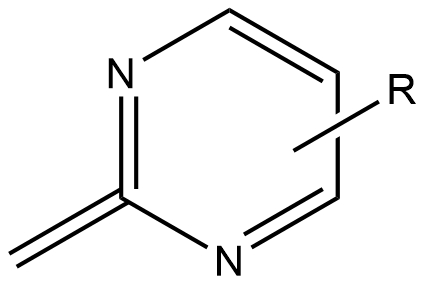
Chemical identity deserves particular attention. Moving a bromine or fluorine substituent to another ring position changes the compound, even when a shortened commercial name looks similar. A purchaser should verify the structure and CAS number before asking suppliers to compare price and lead time. The same applies when a halogenated aromatic ring is combined with a heterocyclic component or another functional group.
The initial discussion should separate required terms from preferences. If a certain impurity limit or analytical method is essential, it belongs in the inquiry from the outset. If packaging can vary, the buyer can ask which options are practical for the material and destination. A clear brief makes it easier to identify feasibility questions before commercial terms are finalized.
Can the Supply Plan Support Both a Trial and a Larger Order?
Small trial quantities and later production orders can pose different challenges. The supply route suitable for an evaluation sample may depend on raw material availability, process practicality, equipment fit, and quality requirements when volumes increase. Buyers should raise anticipated future needs early, while recognizing that scale-up must be assessed for the individual chemistry.
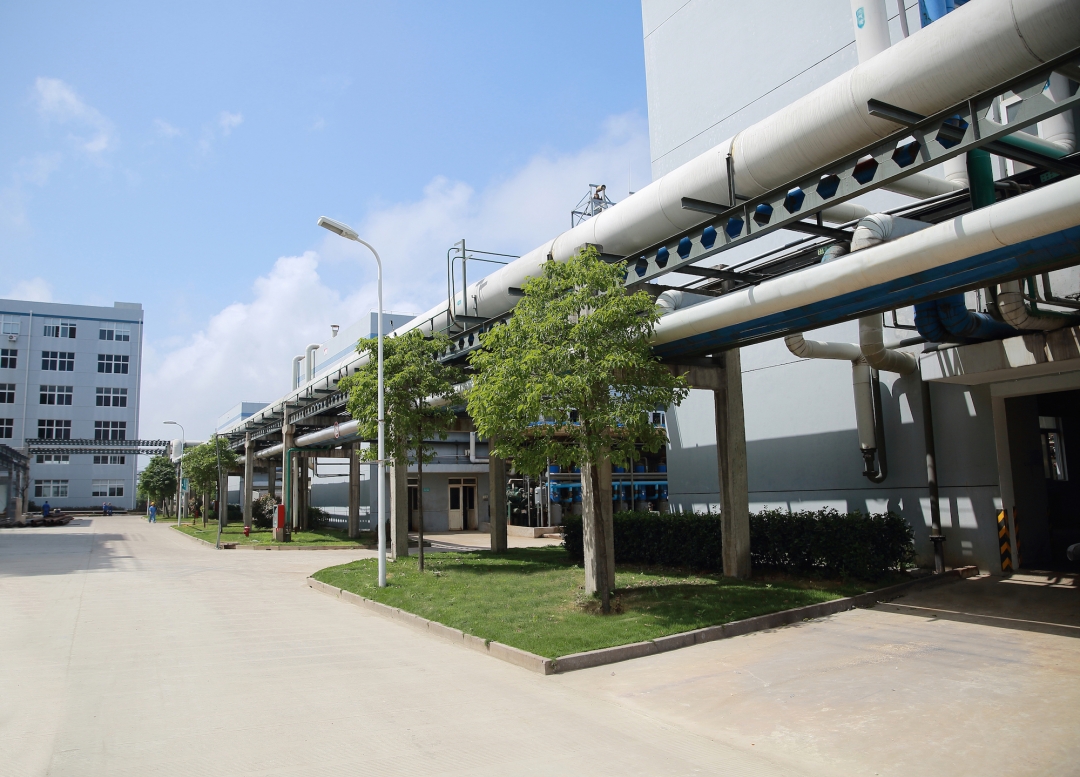
DSL Chemicals lists halogenation capabilities covering fluorination, chlorination, bromination, and iodination. Its custom manufacturing information describes route evaluation, kilogram-scale trials, pilot-scale resources, and coordination toward larger production requirements for suitable projects. The company also describes one laboratory and two production sites in China, supported by analytical and quality-control facilities.
Those capabilities provide a basis for technical discussion, not a blanket promise for every halogenated compound. For a difficult-to-source structure or a customer-specific substitution pattern, DSL Chemicals can review a custom specialty aromatic derivative project. The review may consider whether the route is practical, whether necessary materials can be obtained, and which specifications could be evaluated at the intended scale. Buyers can then compare a proposed development path with available product-supply options.
Which Quality and Shipment Details Need Confirmation?
Price alone cannot show whether a chemical order will fit a buyer’s project. Before placing an order, purchasers should ask what specification will govern the material, which analytical results will be available, and which documents can be supplied for the particular product. A certificate of analysis and safety data sheet may be relevant, but document availability and format should be confirmed rather than assumed.
DSL Chemicals describes quality-control resources that include HPLC, GC, GC-MS, and other analytical instruments. The company states that it operates under an ISO 9001:2015 certified quality management system. Neither a listed instrument nor a company-wide quality system replaces an agreed product-specific test method, acceptance limit, or lot review.
Packaging and shipment planning belong in the same discussion. A material’s physical form, stability, hazard classification, shipment volume, and destination can affect suitable packaging and transport arrangements. DSL Chemicals describes support for labeling, export documents, evaluation samples, and packaging coordination, with options depending on the product and shipment. Buyers should identify any required package size, destination-market documentation, or receiving constraint before confirming an order.
How Can Buyers Move from Research to a Decision?
Buyers can first review DSL Chemicals’ product listings and product SDF files to screen relevant compounds. The company also makes a brochure available and provides an Excel product list upon request. These resources can help identify a candidate, but they are preliminary research tools; specifications, documentation, and supply terms need to be confirmed for the selected item.
A focused inquiry gives DSL Chemicals a practical starting point: compound name or structure, CAS number, requested trial and potential future quantities, target specification, destination, and required documents. Where available, the buyer can also provide a target delivery window. Technical and commercial teams can then discuss availability, feasible supply or custom synthesis options, and the information needed to evaluate the project.
DSL Chemicals has developed and supported nearly 700 chemical items across selected fine chemical and intermediate categories, according to its company information. That portfolio figure is not a count of halogenated aromatic intermediates currently in stock. The relevant question for each buyer remains whether the specific compound can meet the project’s chemical, quality, volume, and delivery requirements.
About DSL Chemicals
Founded in 1997, DSL Chemicals supplies selected fine chemicals, specialty chemicals, and pharmaceutical intermediates to international customers. The company supports product sourcing, custom synthesis discussions, process development, quality documentation, packaging coordination, and export planning.
For buyers evaluating a halogenated aromatic intermediate, DSL Chemicals invites a product-specific request for quotation. Sharing the structure, specifications, quantity, and destination from the beginning helps establish a clearer route from initial screening to a purchasing decision.
Media Contact
Company Name: DSL Chemicals Co. Ltd.
Contact Person: Wei Zhang
Email: Send Email
Phone: 862163529955
Address:1120, 409 – 459 Nanjing Road(E.)
City: Shanghai 200001
Country: China
Website: https://www.dslchem.com


